
Blog · · 3 minute read
The snow day
Schools close. Offices close. Someone on the local news asks everyone to stay off the roads. And every group home in the county keeps right on going, because the people who live there still need breakfast.
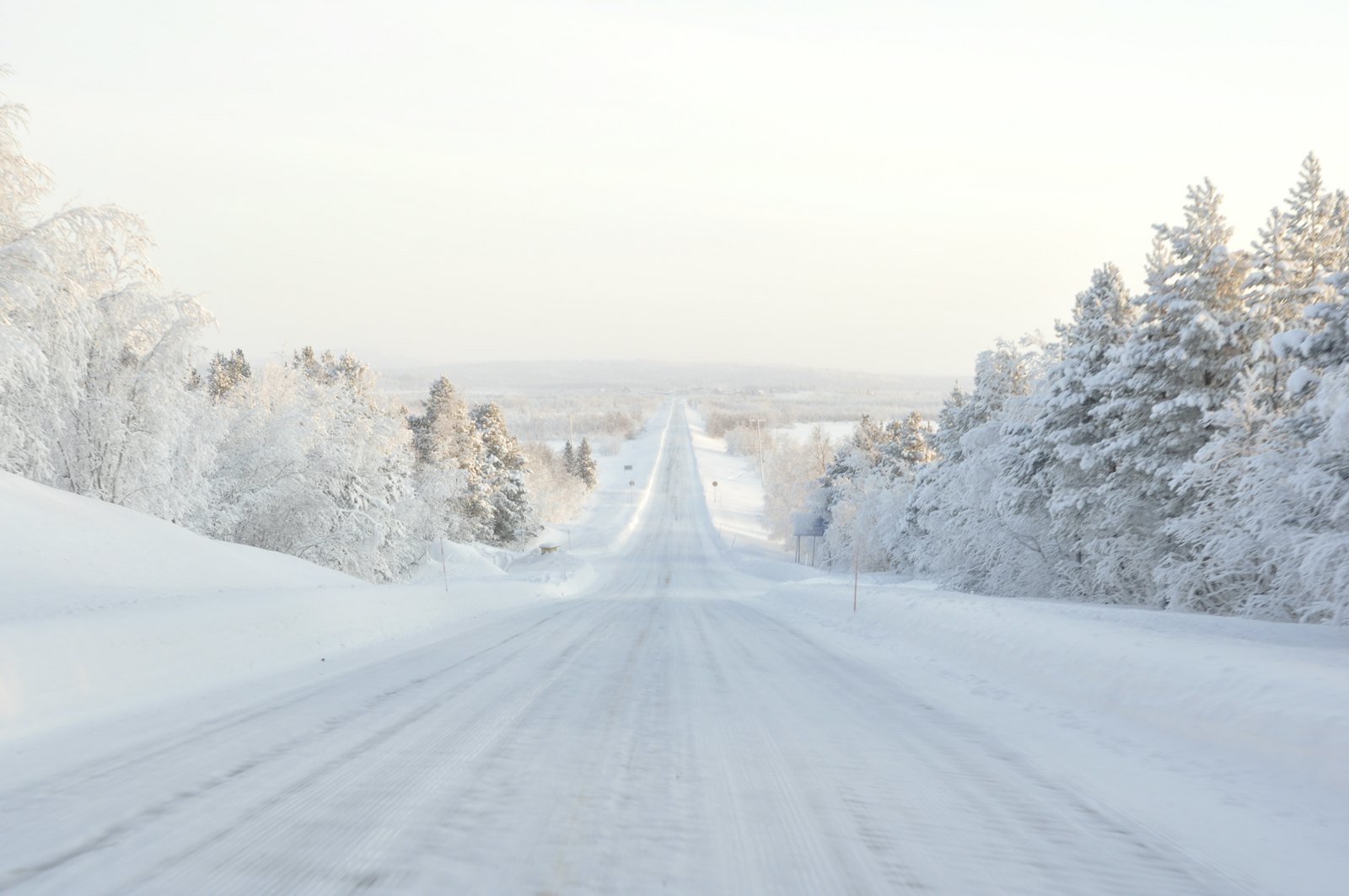
The night before
It starts in the group chat. Someone posts a radar screenshot. Someone else posts the same one ten minutes later. By dinner there's a running debate about whether the forecast means six inches or a dusting, and a supervisor quietly asking who's on in the morning and how far away they live.
At the house, the evening shift does a walk-through without being asked. Flashlights where everyone can find them. Phones charged. The shovel brought in from the shed and leaned by the back door. Bread and milk, if the store still has any, which it usually doesn't, because the whole town had the same idea.
The ones who stay
Every storm has one. The DSP who finishes an evening shift, looks out at the driveway, and says, “I'll just stay.” They sleep in the office recliner with a coat for a blanket. They're up before the alarm, and they've got the coffee going before the morning shift has even called to say they're stuck.
Some of them keep a bag in the trunk all winter for exactly this. A toothbrush, a change of clothes, a phone charger, whatever they take in the morning. They packed it in November and forgot about it until the night it mattered.
Staying over is a real ask. It means a night away from their own family and their own bed, and a long stretch on their feet. When someone does it, it deserves more than a “thanks, you're the best” in the group chat. Though they'll take that too.
The ones who drive in
Then there's the crew that gets there anyway. The coworker with the truck who does a slow loop and picks up two people on the way. The house manager shoveling the front walk at 5:30 so the morning shift has somewhere to step. The nurse who goes house to house with the heater on high, because med passes don't take snow days.
Inside, it's often a pretty good day. No van runs, no appointments, nowhere anyone has to be. Pancakes. A movie in the middle of the afternoon. A puzzle that's been missing three pieces since 2019 and somehow still gets finished. A snow day at the house can feel like a snow day anywhere, which is part of what everyone is working so hard to protect.
Before the first storm
Most of what makes a snow day go well gets decided in October. A few things worth settling while the roads are dry:
- Who lives close to which house. When the main roads close, the person three streets over matters more than the person with the most open hours.
- What “too dangerous” means. Write down the agency's weather rule and hand it out. No one should be guessing at 5am whether they're expected to risk the drive.
- How a stay-over gets paid. That conversation is a lot easier in October than at two in the morning in a recliner.
- Somewhere to sleep. An air mattress and a couple of blankets in the office closet cost very little, and they will get used.
- The shovel and the salt inside. By the door, not in the shed behind a drift.
The morning after
Eventually the plows come through. Someone finally gets relieved and drives home on slush with the radio up. The group chat goes quiet for the first time in two days.
Nobody outside the agency will notice. The houses were staffed, everyone ate, the meds went out on time, and the day felt mostly normal to the people who live there. That's the whole job, done in the hardest conditions it gets.
So if someone slept in your office recliner this winter, or picked up a coworker in the truck, or shoveled a walk that wasn't theirs, tell them thanks. Properly. And maybe buy the next bag of salt.
Try it on this week See what it costs
Fourteen days, your real schedule, no card. $20 a month plus $1 per staff member.