
Blog · · 3 minute read
The on-call phone
If your agency has one, you know it. It goes home with someone new each week, it sleeps on a nightstand, and its ringtone can wake a person from a dead sleep two rooms away. It's the phone that keeps every house covered after the office goes dark.
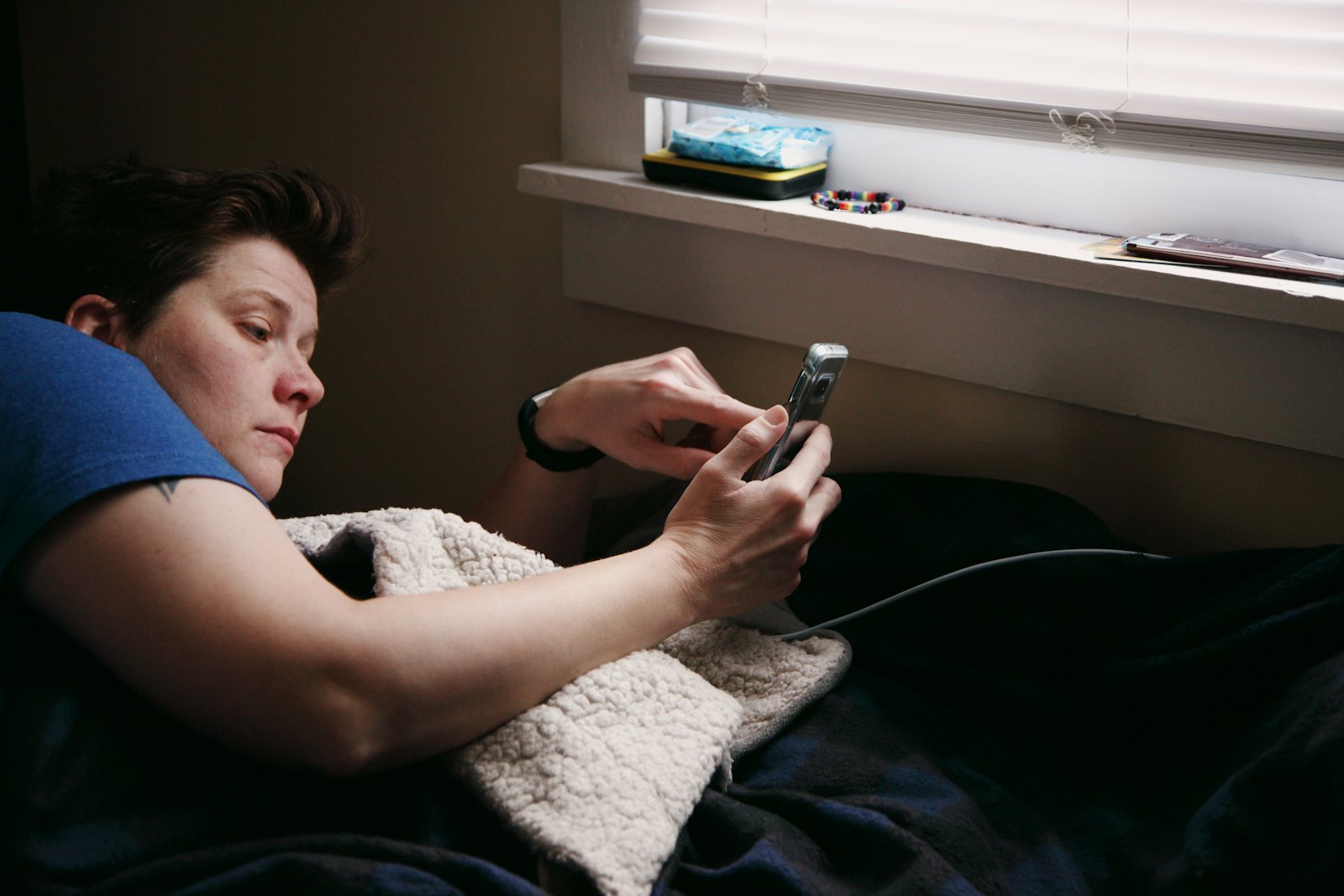
The handoff
The phone changes hands once a week, and it's a small ceremony every time. The phone, the charger, the binder, and a quick rundown in the parking lot. “Westmoor's back door alarm is chirping again. Maintenance knows. Marlow has a new hire on Saturday, so check in around noon.”
The charger is the part that goes missing. The phone comes back on Monday. The charger stays in someone's car until roughly March. Every on-call bag eventually holds two spare cords and one that only works if you hold it at an angle.
Then the new person carries it everywhere. To the grocery store. To a kid's soccer game. Into the shower, where it sits on the edge of the sink, face up, just in case.
Everyone at home learns the ringtone by Tuesday. It's the one sound that gets the whole family to stop talking and look over, like a game show buzzer nobody wanted to hear.
Every ring is a small mystery
Here's the strange part of the job. When it rings, you have no idea which kind of call it is. It might be a call-off for the overnight. It might be a question for the nurse. It might be a new DSP who can't find the key to the med cabinet, and it's in the drawer, the one under the microwave, where it's always been.
The person holding the phone answers every one of those in the same voice. Calm, friendly, already reaching for a pen. At 2:40 in the morning that voice is a real skill. A shift that starts with a worried phone call goes a lot better when the person who picks up sounds like they've got it.
Some calls take thirty seconds. Some take the rest of the night. Either way, the person on the phone is the one who makes sure the house has what it needs before they put their head back on the pillow.
What makes a good on-call week
- A one-page sheet in the bag. Who to call for what. The nurse, the maintenance line, the director, the pharmacy. Written for someone who's half awake.
- A call-off list with numbers that still work. Check it on Friday, while it's daylight and no one needs it yet.
- A quick log. Time, house, what happened, what you did. One line each. Monday's handoff goes a lot faster from a page than from memory.
- An agreed line between “call” and “text.” When every house knows which questions can wait until 7am, the phone rings for the things that can't.
- The charger. In the bag. Before anyone leaves the parking lot.
The person holding it
On-call is mostly invisible when it goes well. Nobody sees the 11pm text that got the overnight covered, or the 5am call that turned a scramble into a plan. What shows up in the morning is a house that's staffed and calm, which is the whole point.
The cost is a week of sleeping lightly. Of leaving the volume all the way up. Of checking the screen at dinner, at the movies, and once more before bed, just to be sure. It's a week of plans with an asterisk on them, and of family members who have gotten very good at finishing dinner without you.
So if someone handed the phone off this morning, tell them thanks. And if it's in your pocket right now, we hope it's a quiet week. Go charge it.
Try it on this week See what it costs
Fourteen days, your real schedule, no card. $20 a month plus $1 per staff member.