
Blog · · 3 minute read
The house van
Every house has one. It has a name nobody remembers choosing, a dashboard light that has been on so long it feels like part of the design, and a gas gauge everyone reads a little differently. On a good day it's the most important room in the house.
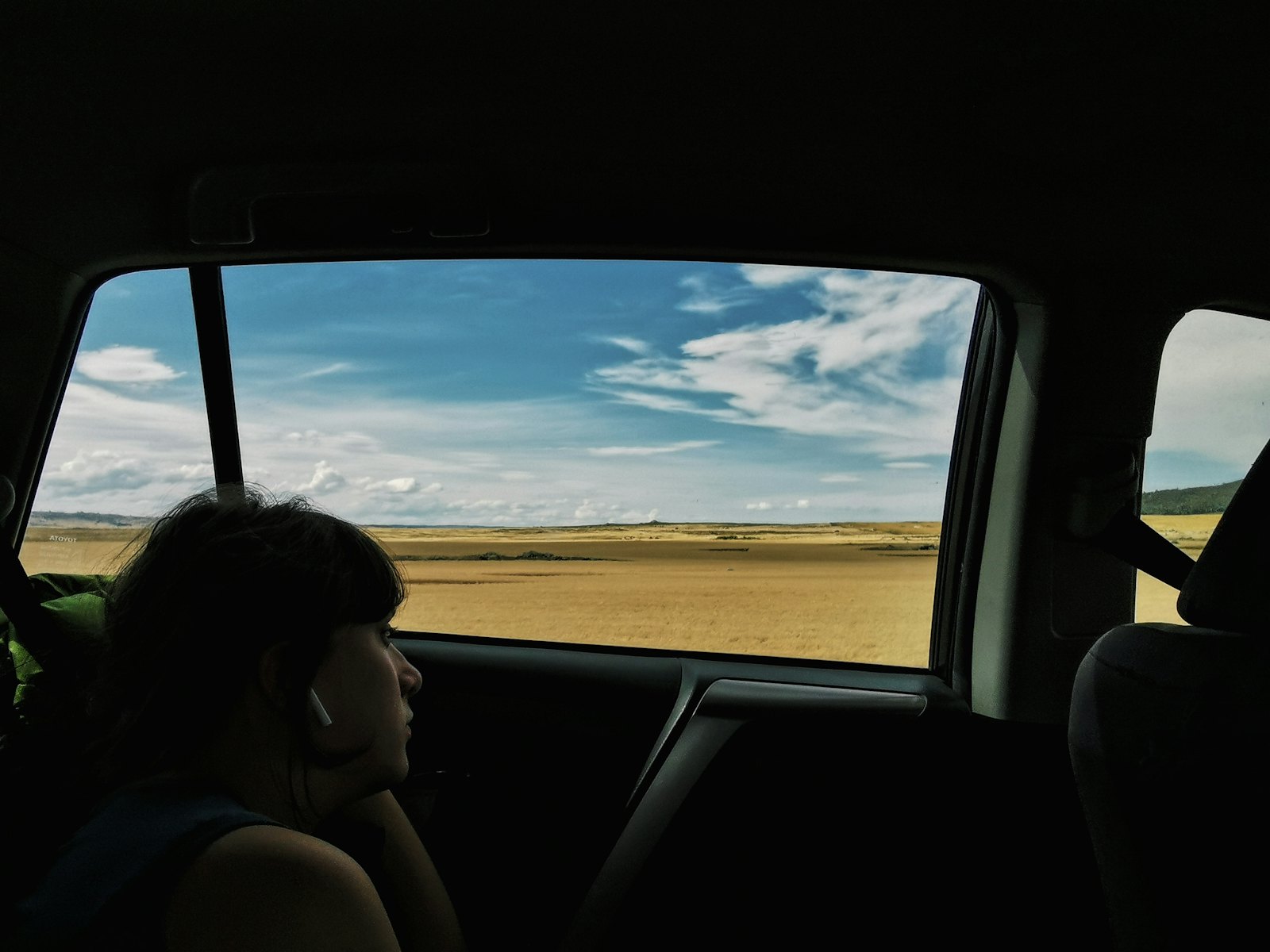
Every van has a personality
The passenger door that only opens from the outside. The seat belt that needs a firm, confident push. The radio that gets two stations, and somehow both of them are always playing the same song.
Then there's the glove box. The registration, the insurance card, a pen that doesn't write, a tire gauge nobody has used, and napkins from a restaurant that closed a while ago. Every house's glove box is a little time capsule.
The regular drivers know all of it by heart. They know the van pulls a little to the left and the back hatch needs a second try. A new hire learns it on the first trip, usually in a parking lot, usually with someone in the back saying “you have to lift it first.”
The van can only be in one place
Saturday is when everyone wants it. The grocery run. The bowling league. The family visit across town. The trip to the store that has the good cereal. Each plan makes sense on its own, and they all start at ten.
A van calendar fixes most of this. It can be a sheet on the fridge or a shared calendar the whole house can see. What matters is that outings go on it before they're promised to anyone, because “we're going bowling Saturday” is a hard thing to take back.
The other half is the driver. An outing needs someone your agency has cleared to drive the van, on shift, for the whole trip. Three people on shift Saturday morning don't help much if none of them are on the driver list. So when you plan the weekend, plan the van and the drivers together. It saves a lot of standing in the driveway with the keys and nobody to hand them to.
What's worth keeping in the van
- A one-page sheet. Who to call if it breaks down, how fuel gets paid for, and the house phone number. Tuck it behind the visor, where a float will find it on the first try.
- A mileage log that gets filled in at the end of the trip. Writing down four numbers in the driveway takes a minute. Rebuilding a whole week of trips on Friday takes a lot longer.
- The basics. Water, a phone charger, wipes, a blanket once the weather turns. And a spare of whatever this house always forgets.
- A heads-up to the nurse. If a trip runs long and something on the MAR falls in the middle of it, that's a much easier conversation on Thursday than at the bowling alley.
- A gas rule. Pick one and write it on the sheet. “Never bring it back under a quarter tank” is a good one. Whoever has the 6am appointment run on Monday will be grateful.
The best room in the house
Here's the thing about the van. Some of the best conversations in a house happen in it. Side by side, eyes on the road, music on low, people talk. An errand to pick up a prescription turns into the part of the day someone tells their family about on the phone that night.
Driving it well is a real skill, and it rarely gets mentioned. Parking a long van at a busy store. Taking the drive-through order for a full van and getting it right. Keeping the music agreeable and the mood easy when the traffic isn't.
So this week, say thanks to your drivers. And to whoever always brings the van back with a full tank, the trash cleared out and the seat moved back where they found it: everyone noticed. Thank you.
Try it on this week See what it costs
Fourteen days, your real schedule, no card. $20 a month plus $1 per staff member.